


Understanding Grief in Different Cultures: Honoring Loss Across Traditions

July 25, 2026

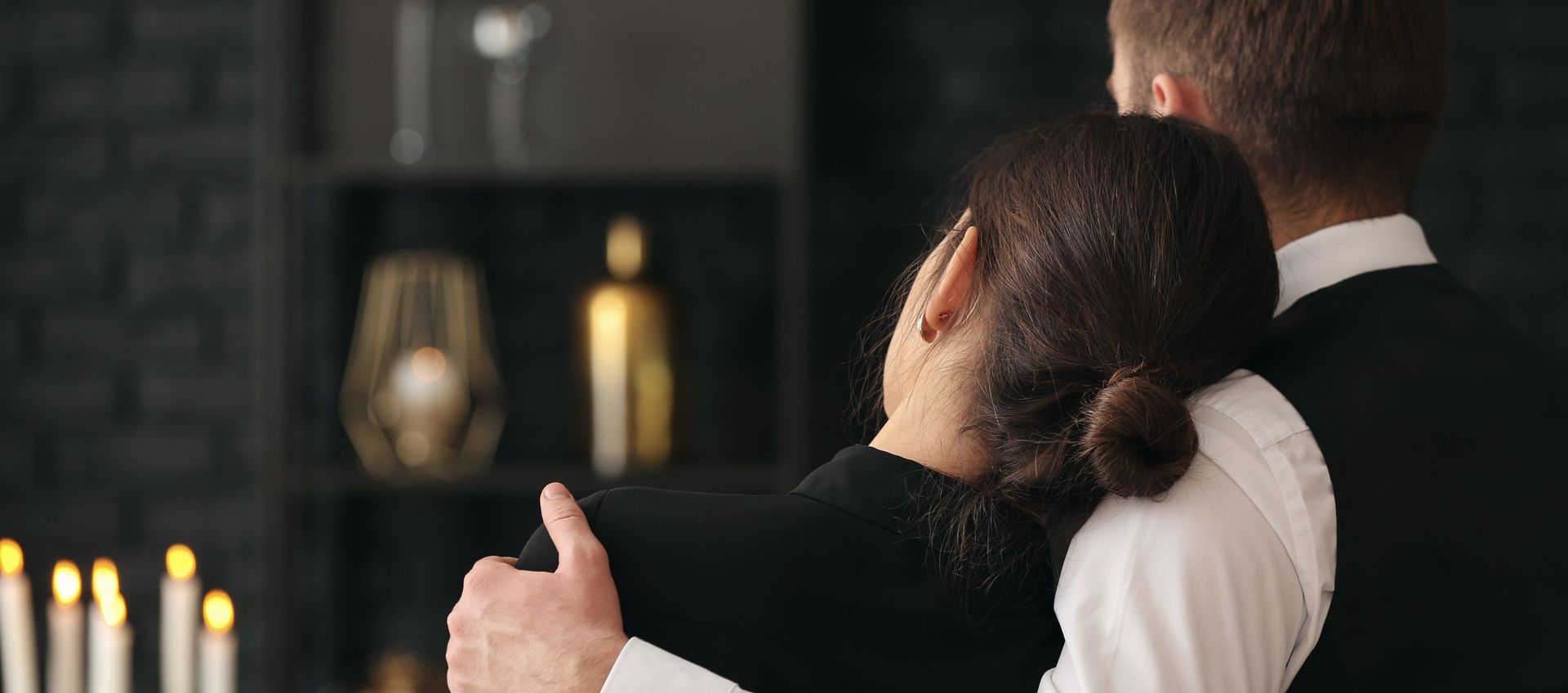
Several factors influence how people cope with loss and death, such as their personality, relationship to the deceased, cultural or religious beliefs, mental health history, and support system. These factors play a significant role in determining an individual's grieving process. Recognizing the diverse ways people experience grief can enhance our understanding and empathy toward their unique journeys. Let's explore the different types of grief individuals may experience:

Grief is universal, but how we express it is deeply shaped by our culture, faith, and personal values. At Symonds-Madison Funeral Home, we believe that every family deserves to be seen, heard, and supported in a way that reflects their unique heritage and beliefs. Understanding cultural differences in grieving helps us offer more compassionate care and create more meaningful memorial experiences.

Why Cultural Understanding Matters


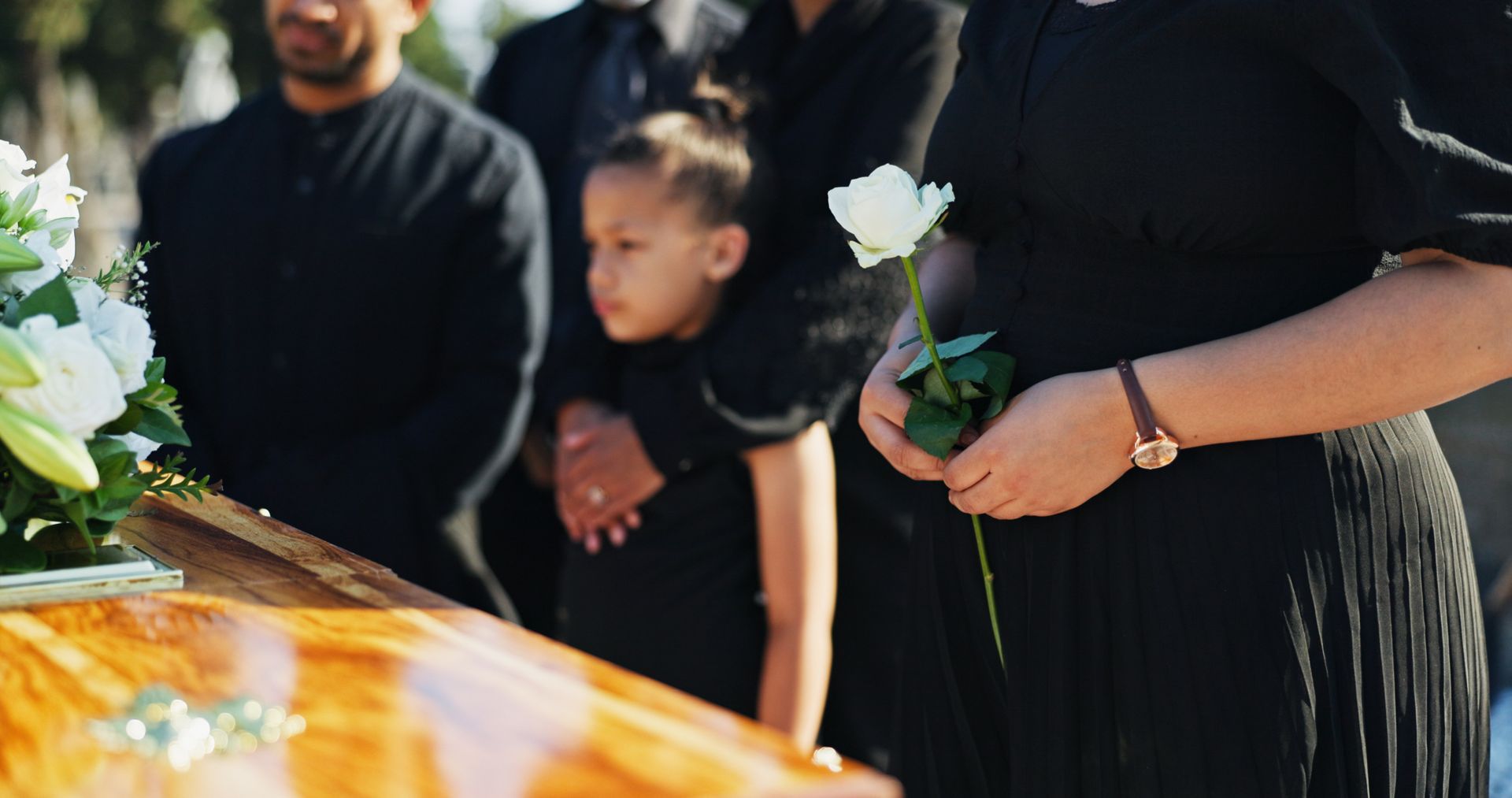
Grief rituals aren’t one-size-fits-all. From how we honor the deceased to how we comfort the living, customs can vary widely. For some, mourning is a deeply private process; for others, it is a vibrant, communal event. Recognizing these differences helps funeral professionals and community members show empathy and respect.
Here’s a look at how different cultures around the world honor the journey of grief:


Hispanic & Latino Traditions


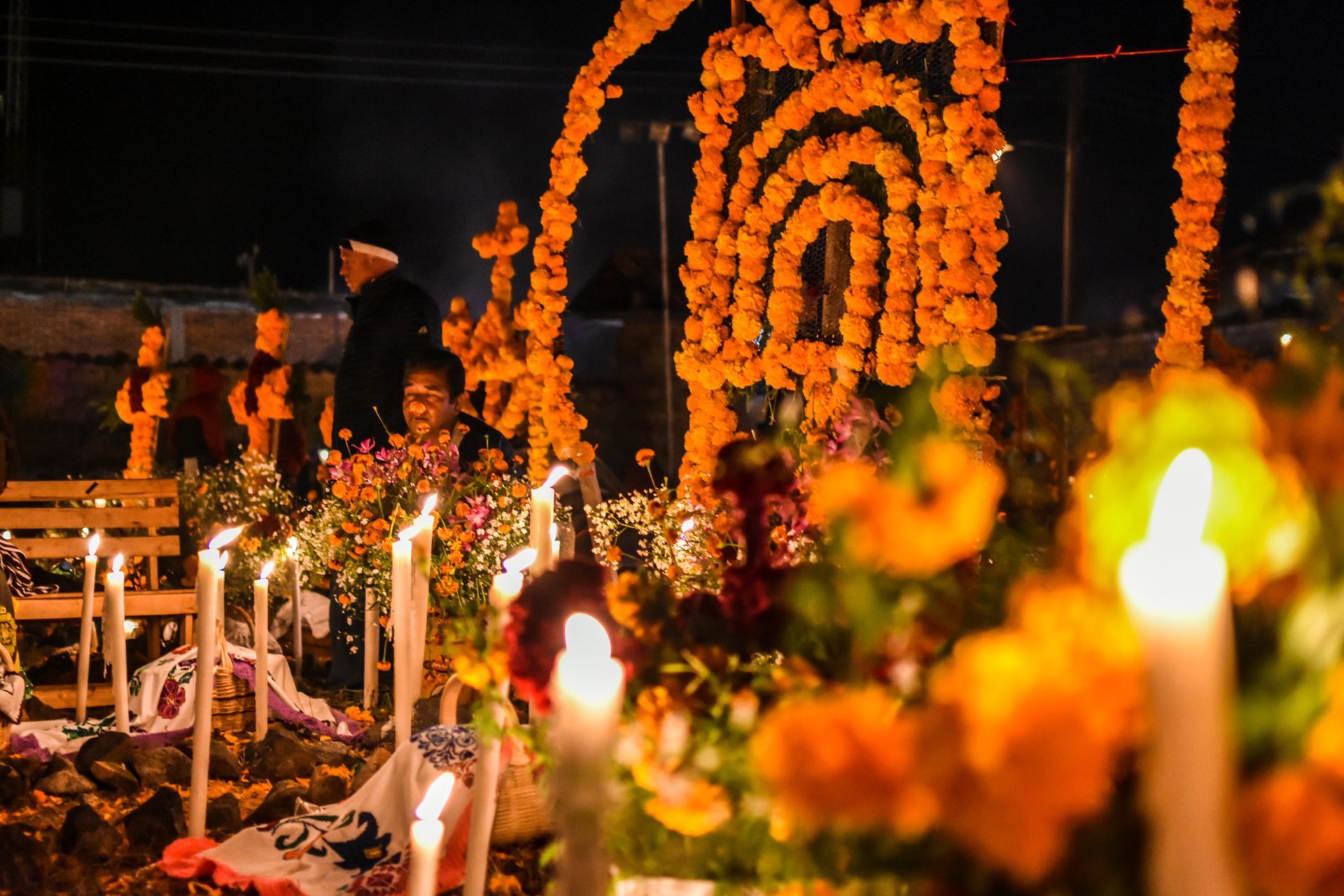
For many Hispanic cultures, grief is a continuing connection, not a final goodbye. Catholic roots often shape funeral rites, including rosary services and extended family gatherings. Observation of El Día de los Muertos (Day of the Dead), a vibrant celebration where families honor deceased loved ones with altars, food, music, and prayer, is a tradition unique to Hispanic culture.

African American Traditions


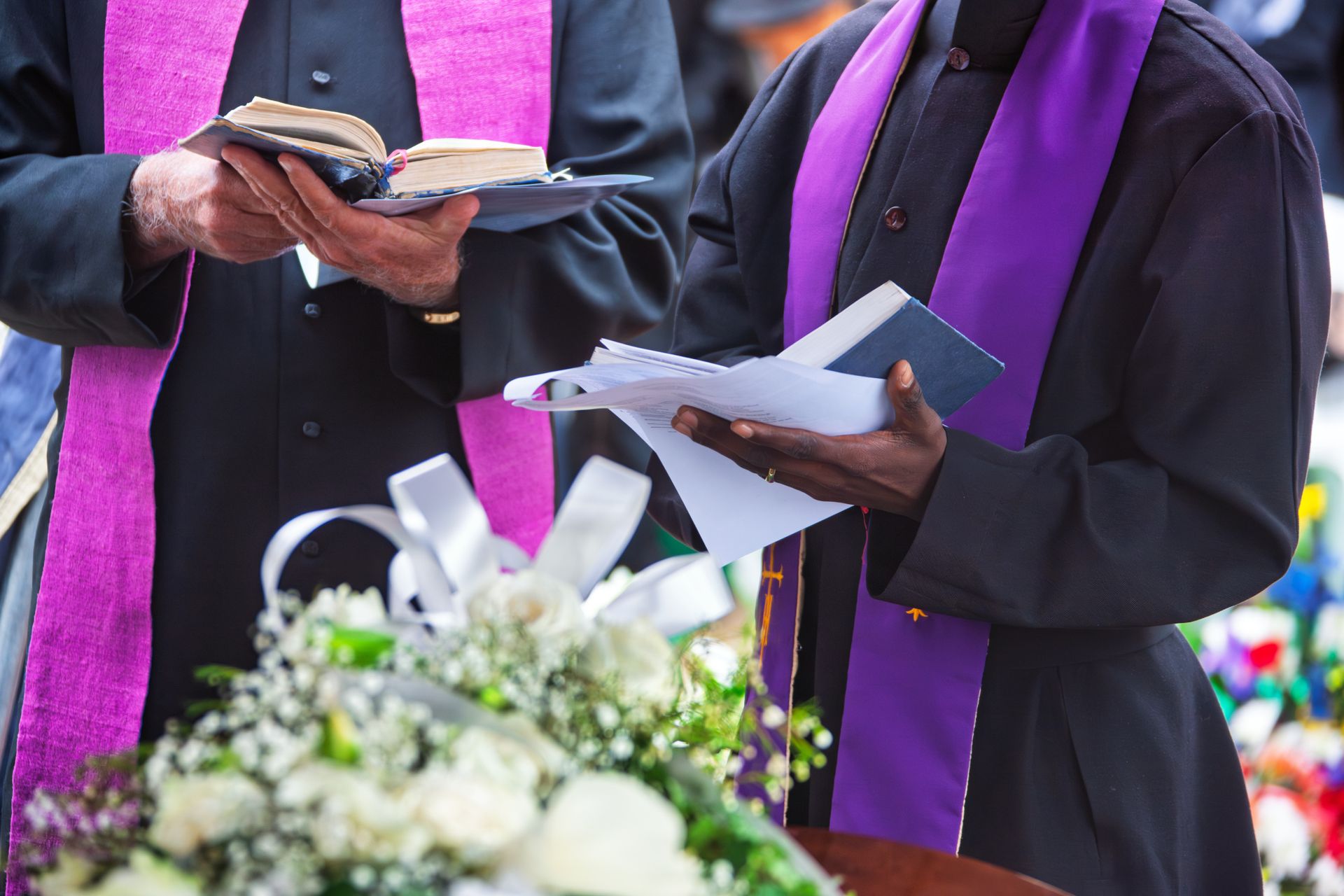
In many African American communities, funerals are often known as "homegoings" - celebrations of life that blend religious faith, music, and powerful tributes. The church plays a central role, and storytelling becomes a way to carry the legacy forward. Grief is expressed with both sorrow and hope.

Jewish Traditions


Jewish mourning includes specific stages: from Shiva (a seven-day in-home mourning period) to Yahrzeit (an annual remembrance). Burial happens quickly, and customs emphasize honoring the deceased with simplicity and respect. Community support and structured rituals help guide mourners through the healing process.

Muslim Traditions


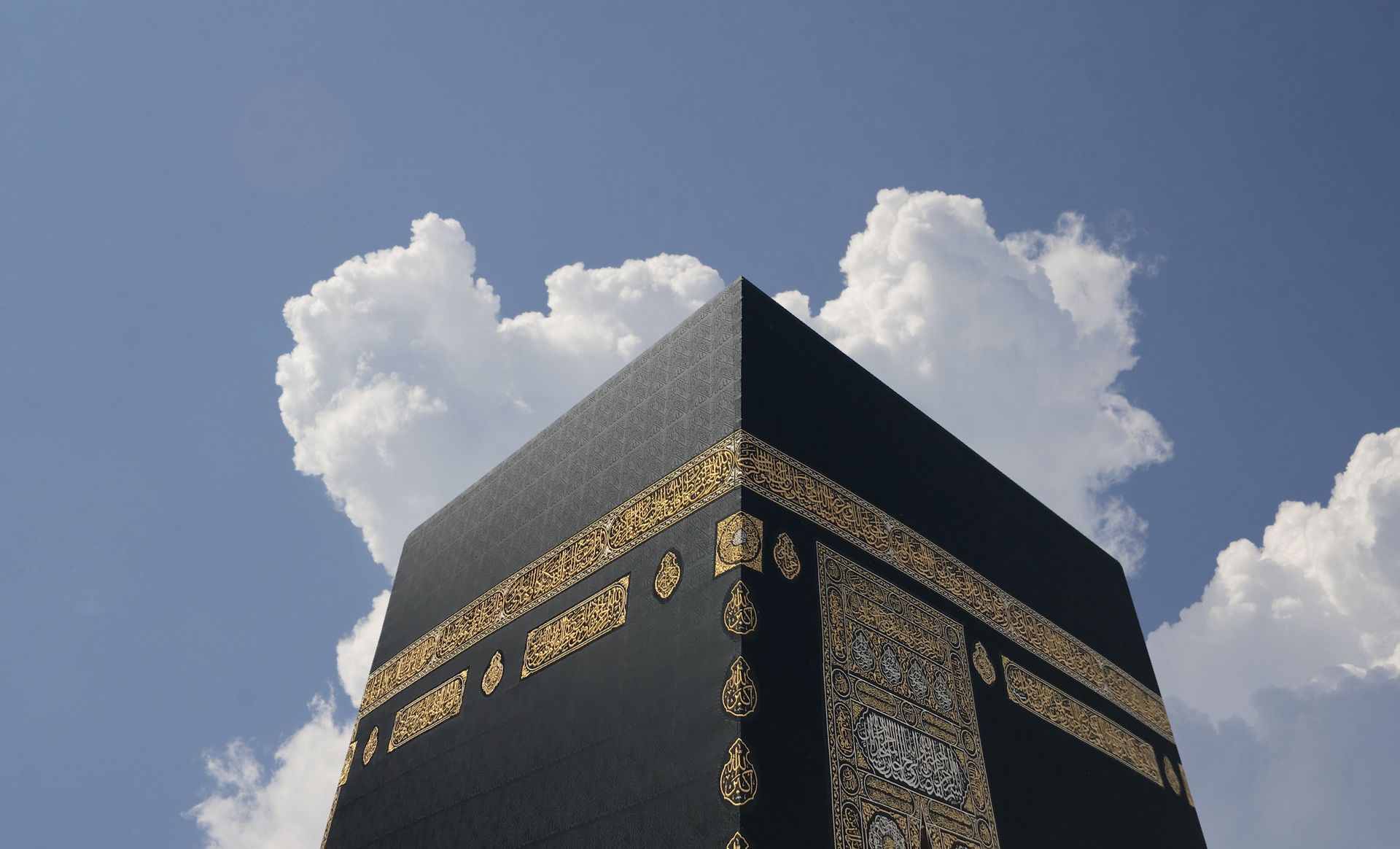
In Islam, funerals are carried out with reverence and speed - often within 24 hours. The body is washed, wrapped in white cloth, and buried facing Mecca. Prayers are said for mercy and peace, and the community supports the family with visits and ongoing prayer during the mourning period.

Asian Traditions


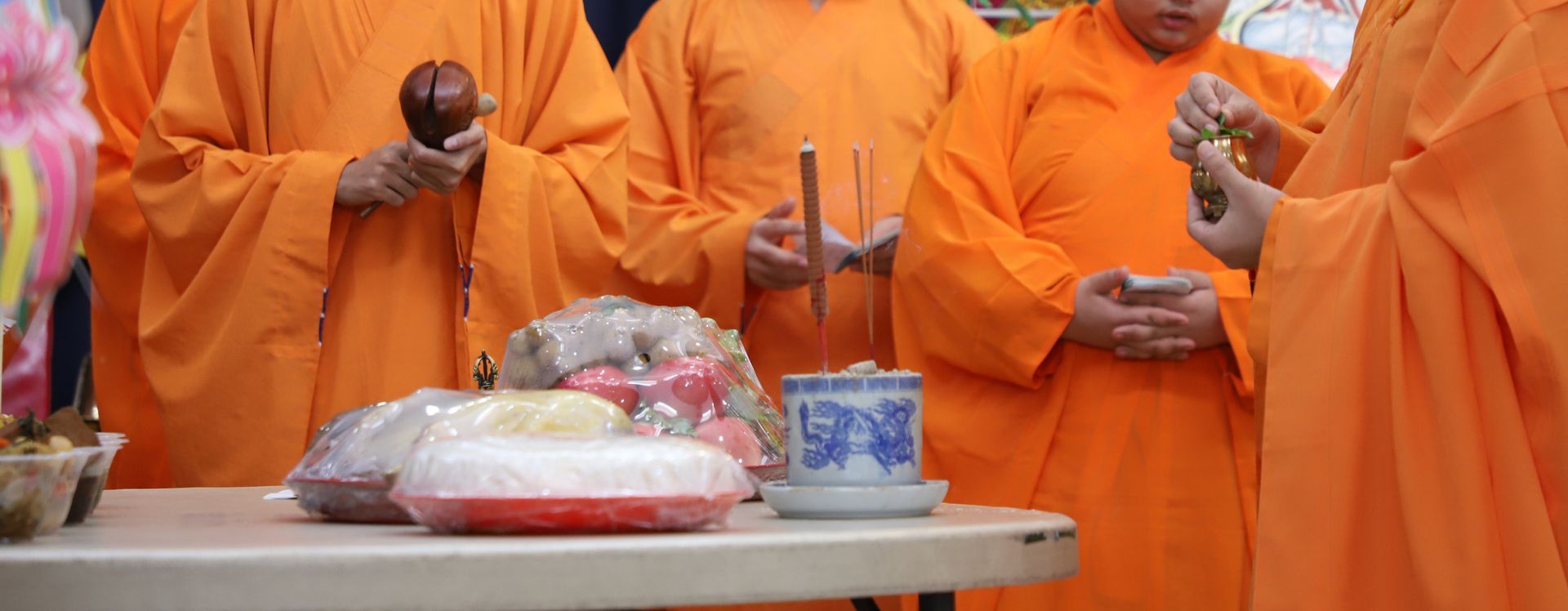
Grief traditions across Asian cultures vary widely. In Chinese culture, for example, mourning can include wearing specific colors, burning incense or paper offerings, and observing long-term rituals. In Japanese Buddhist traditions, memorial services are held over many months or years. Respect for ancestors is central to many practices.

Western & Secular Approaches


In the United States and many Western countries, grief is often expressed through personalized services, life celebrations, and online memorials. While traditional Christian services remain common, many families now seek creative or blended approaches that reflect the individual’s personality and passions.

Supporting Families from All Backgrounds


At Symonds-Madison, we’re committed to serving every family with dignity, regardless of background or belief. Whether you follow long-held traditions or want to create something uniquely personal, we’re here to walk beside you with care and understanding.
We encourage families to share what’s meaningful to them, whether it’s a prayer, a special meal, or a cultural ritual passed down for generations.

Grief may look different around the world, but its purpose is the same: to honor love, process loss, and begin healing. When we embrace diverse traditions, we not only show respect, we deepen our connection as a community.
If you’d like help planning a service that honors your culture and traditions, we invite you to contact us. We’re here to support you every step of the way.

Recent Posts

By Lindsay Coats September 3, 2026
Get tips for supporting children grieving a loss as they return to school. Learn how to communicate & provide emotional support.

July 25, 2026
Learn how to support a grieving friend with kind words & actions. Reach out for compassionate guidance during tough times.

July 25, 2026
Learn essential steps to take in the first 48 hours after a loved one passes. Contact us for support during this difficult time.

Show More